
In today’s interconnected world, trainee areas play an essential duty fit scholastic and individual experiences.

These areas are not just collections of people however are vibrant ecosystems that foster development, finding out, and partnership amongst trainees. They vary commonly in type and function, from campus-based teams to international on the internet discussion forums, each offering distinct possibilities for involvement and advancement.
Whether you are stepping onto an university university for the very first time or engaging in virtual knowing settings, understanding the framework and advantages of student areas can significantly enhance your instructional journey. This write-up delves into the essence of pupil communities, discovering just how they work, the benefits they provide, and the ways in which they can be leveraged for personal and academic success.
Recognizing Student Communities
Pupil neighborhoods are foundational to the academic experience, functioning as both social and academic support group. At their core, these communities are teams formed naturally by students who share typical rate of interests, objectives, or disciplines. They can be informal, such as study hall, or official, like pupil unions and clubs.
These areas are identified by a common identity and the collective pursuit of expertise, skills, and experiences. They act as platforms for students to link, collaborate, and add to each various other’s growth, expanding past academic limits to affect personal growth and area involvement.

Basically, trainee neighborhoods are microcosms of bigger social structures, where management skills are honed, concepts are exchanged, and lifelong friendships are developed. The communications within these areas mirror a varied mix of social, intellectual, and social dynamics.
- Networking Opportunities: Trainee areas offer a network of peers and q&a resource for students coaches that can offer assistance and advice.
- Ability Growth: Taking part in community activities assists students create crucial abilities such as communication, leadership, and team effort.
- Source Access: These areas commonly supply accessibility to scholastic resources, including study materials and expert advice.
- Social Engagement: They supply a system for social interaction, alleviating the transition right into brand-new scholastic settings and assisting to battle seclusion.
Through these different functions, pupil neighborhoods come to be essential to the alternative growth of pupils, laying a structure for future specialist and personal success.
The Benefits of Engaging in Pupil Neighborhoods
The benefits of joining student communities are diverse, affecting both academic and individual rounds.
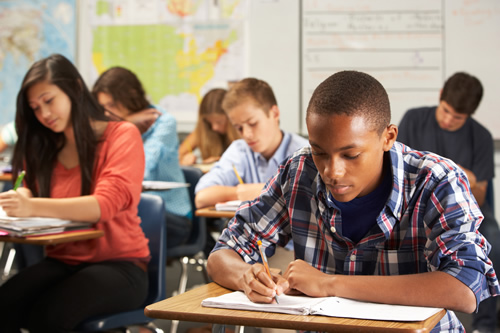
On an academic degree, these communities encourage collective understanding, enabling pupils to take advantage of varied perspectives and competence. Sharing knowledge and sources within a neighborhood can lead to more effective learning results and boosted academic efficiency.
Moreover, pupil neighborhoods use a system for individual growth and self-discovery. By engaging with peers from different histories and techniques, students get a more comprehensive worldview, improving their cultural competence and compassion. This exposure to varied point of views is important in developing vital thinking and analytic skills.
Furthermore, energetic involvement in neighborhood tasks can enhance pupils’ confidence and self-esteem. Tackling leadership duties or participating in discussions and occasions fosters a sense of achievement and belonging, which is vital for total wellness and motivation.
Types of Student Neighborhoods
Pupil areas come in numerous kinds, each catering to different passions and goals. These can be generally categorized right into academic, social, recreational, and specialist neighborhoods, among others. Each type gives special systems and chances for pupil engagement.
- Academic Communities: These are typically centered around certain fields or scholastic passions. Instances include study hall, honors societies, and departmental clubs.
- Social Communities: These groups concentrate on advertising cultural recognition and variety, commonly arranging events and tasks to commemorate various practices.
- Recreational Areas: These include sporting activities groups, recreational clubs, and hobby-based groups that supply a break from scholastic rigors and advertise physical and psychological health and wellness.
- Specialist Neighborhoods: These are aimed at career growth, supplying networking possibilities, workshops, and mentorship programs to prepare students for the specialist globe.
By identifying and involving with the appropriate areas, students can customize their college experiences to line up with their passions and job aspirations, leading the way for a fulfilling academic trip.
Developing a Growing Trainee Neighborhood
Developing and preserving a growing student neighborhood calls for effort and partnership from both pupils and schools. It starts with fostering a comprehensive environment where all students feel welcomed and valued no matter their backgrounds.
Organizations can sustain this by offering sources and centers that encourage interaction and participation. This consists of developing physical spaces like trainee unions and on-line systems that assist in communication and collaboration. Furthermore, organizing events, workshops, and seminars can better enhance interaction, supplying students with possibilities to link and pick up from each various other.
Leadership and Pupil Involvement
Efficient leadership is vital in nurturing a successful pupil community. Leadership duties within these neighborhoods use trainees a possibility to create and show their business and social abilities. Pupils that presume these functions contribute substantially to setting the tone and instructions of their areas, influencing their peers positively.
Motivating management and energetic involvement amongst trainees not only reinforces the neighborhood but likewise empowers individuals, preparing them for future difficulties. By fostering a society of cooperation and support, student communities can flourish, leaving an enduring influence on their participants and the scholastic setting as a whole.